
How to Choose the Right Replacement Windows for Louisiana’s Hot, Humid Climate?
Choosing the best windows for Louisiana humidity isn’t the same as shopping for windows anywhere else in the country. The Gulf Coast throws a brutal combination at your home – intense heat, relentless moisture, and UV exposure that can degrade the wrong materials in just a few years. If you’re a Louisiana homeowner dealing with rising energy bills, foggy glass, or frames that are warping or swelling, your windows may be failing you.
This guide walks you through exactly what to look for when selecting replacement windows built to survive and perform in a humid, hot climate like ours.
Why Louisiana’s Humid Climate Is So Hard on Windows
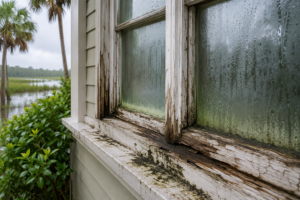
Southeast Louisiana sits in one of the most demanding climate zones in the United States. Summers regularly push past 90°F with humidity levels that can exceed 90%. That constant exposure to heat and moisture creates a specific set of problems that homeowners in drier climates simply don’t face.
What high humidity does to your windows:
- Causes wooden frames to absorb moisture, swell, warp, and eventually rot
- Promotes mold growth along frames, sills, and between glass panes
- Creates condensation and moisture buildup on the inside of glass — a sign that seals are failing
- Accelerates corrosion in aluminum frames
- Drives up energy bills as air leaks worsen over time
What we typically see during consultations is that Louisiana homeowners have been living with these problems for years – chalking up sticky, hard-to-open windows and foggy panes to “just how things are.” They’re not. They’re warning signs that inefficient windows are costing you money and comfort every single day.
Understanding Window Performance Ratings for Hot, Humid Climates
Before you can choose the right windows, you need to know what the ratings actually mean. Two numbers matter most for Louisiana homes.
Solar Heat Gain Coefficient (SHGC) The SHGC measures how much solar heat passes through your window, on a scale from 0 to 1. The lower the number, the less heat enters your home. In hot climates like Southeast Louisiana, you want an SHGC of 0.25 or lower. A high SHGC means direct sunlight is heating your home like a greenhouse and your air conditioner is working overtime to compensate.
U-Factor The U-factor measures how well a window resists heat transfer. Again, lower is better. A U-factor of 0.30 or below is ideal for our climate. Together, the SHGC and U-factor tell you how well a window will keep the heat out and the cold air in.
These ratings are standardized by the National Fenestration Rating Council (NFRC), and you’ll find them on the label of any certified window. For climate-specific guidance, the ENERGY STAR program breaks down recommended ratings by region – Louisiana falls in the “South” zone, which has specific thresholds that differ from northern states.
The Best Frame Materials for High Humidity Areas
Frame material is one of the most important decisions you’ll make and it’s where many Louisiana homeowners go wrong.
Vinyl Windows: The Top Choice for Humid Climates
Vinyl windows are consistently the best choice for high humidity areas like Southeast Louisiana. Here’s why:
- Moisture resistant — vinyl does not absorb moisture, so it won’t swell, warp, or rot
- Low maintenance — no painting, sealing, or refinishing required
- Thermally efficient — multi-chambered vinyl frames provide excellent insulation
- Durable — high-quality vinyl holds up to UV exposure without fading or becoming brittle
In our experience, most Louisiana homeowners who switch to multi-chambered vinyl windows notice an immediate difference in how well their home holds temperature and how much quieter the house feels.
For a closer look at vinyl options built for this climate, see our vinyl windows page.
Fiberglass Windows: Premium Performance
Fiberglass windows are another excellent choice for humid environments. They’re dimensionally stable – meaning they expand and contract very little with temperature changes which keeps seals tight and prevents air leakage over time. Fiberglass is also extremely durable and can be painted, which gives homeowners more style flexibility.
The trade-off is cost. Fiberglass typically runs higher than vinyl, but for homeowners who want long-lasting performance with minimal maintenance, it’s a strong investment.
Wood Windows: Beautiful but High-Risk in Louisiana
Wood windows are gorgeous and problematic in humid climates. Wooden frames are prone to absorbing moisture, which leads to swelling, warping, rot, and mold growth. If you love the look of wood, clad-wood windows (wood interior, fiberglass or aluminum exterior) offer a compromise. But they require vigilant maintenance and higher upfront investment.
A common mistake we encounter is homeowners choosing wood windows for curb appeal without accounting for the ongoing maintenance demands in a humid environment. In Louisiana, that maintenance bill adds up fast.
Aluminum Windows: Limited Suitability
Aluminum frames are strong and lightweight, but they conduct heat and cold readily – the opposite of what you want in an energy-efficient window. They’re also susceptible to corrosion in coastal and high-humidity areas. For most Louisiana homeowners, aluminum is not the best choice for replacement windows.
Double-Pane and Multi-Pane Windows: What You Need in High Humidity
Single-pane windows have no place in a Louisiana home. They offer almost no insulation, allow significant heat gain, and are major sources of air leaks and condensation.
Double-pane windows – two layers of glass with a sealed space between them and the standard minimum for our climate. That sealed space is typically filled with argon gas, which is denser than air and resists heat transfer much better.
Triple-pane windows – add a third layer of glass and a second gas-filled cavity. They offer the highest insulation value, but for most homes in Louisiana’s climate, quality double-pane windows with low-E glass perform excellently without the added cost of triple-pane.
Low-E Glass: A Must-Have for Louisiana Homes
Low-E (low-emissivity) glass has a microscopically thin metallic coating that reflects infrared heat while still allowing natural light to pass through. For Louisiana homeowners, this is not optional – it’s essential.
What low-E coatings do:
- Reduce heat gain from direct sunlight without darkening your view
- Lower your SHGC, keeping rooms cooler in summer
- Reduce condensation on the interior surface of glass
- Protect furniture, flooring, and fabrics from UV fade
Low-E glass combined with argon gas fill and a thermally broken frame is the gold standard for energy efficient windows in hot climates. The U.S. Department of Energy has additional guidance on how low-E coatings work and which climate zones benefit most.
For homeowners ready to explore energy-saving options, our energy efficient windows page covers what’s available for Northshore homes specifically.
The Best Window Styles for Louisiana Homes
Frame material and glass technology are the foundation but window style also affects ventilation, energy performance, and how well your windows manage indoor air quality.
Casement Windows
Casement windows are hinged on one side and crank outward. They’re one of the best choices for humid climates because:
- When open, the sash acts like a scoop, directing fresh air into the home
- When closed, the sash presses firmly against the frame seal, eliminating air leakage
- They’re excellent for natural ventilation – important when you want to take advantage of a cooler evening without running the AC
Explore our casement windows to see available styles and configurations.
Double-Hung Windows
Double-hung windows are the classic choice for Louisiana homes and with good reason. Both sashes slide up and down independently, allowing you to open the top, the bottom, or both for cross-ventilation. They also tilt inward for easy cleaning, which matters when exterior humidity and pollen keep your glass looking dingy.
See our full selection of double-hung windows for sizing and style options.
Awning Windows
Awning windows are hinged at the top and open outward from the bottom. Their big advantage in a rainy climate like Louisiana’s: you can leave them open during light rain without water getting in. They’re commonly used in bathrooms, kitchens, and alongside picture windows.
Our awning windows page has more details on where they work best.
Picture Windows
For rooms where ventilation isn’t a priority but natural light and views are, picture windows are an excellent energy-efficient option. Because they don’t open, they eliminate air leakage entirely and with the right low-E glass, they can actually help maintain indoor comfort by blocking radiant heat.
How the Right Windows Lower Your Energy Bills
Inefficient windows are one of the biggest hidden drains on Louisiana energy bills. According to the ENERGY STAR program, certified replacement windows can save homeowners significant amounts annually compared to single-pane or non-certified double-pane windows with exact savings depending on your home’s size, orientation, and existing windows.
Here’s what drives those savings in our climate:
- Reduced solar heat gain — less heat entering through glass means your AC runs less
- Better air sealing — quality installation eliminates air leaks around frames, one of the most common sources of energy loss
- Argon gas fills and low-E coatings — reduce the U-factor, meaning less heat transfer through the glass itself
After hundreds of window replacement projects on the Northshore, we’ve learned that installation quality is just as important as the window itself. A high-performance window installed poorly with gaps, improper sealing, or misaligned frames – will underperform a mid-grade window installed correctly every time.
This is also where DIY replacement has real limits. Beyond the technical skill required, improper installation can void manufacturer warranties and create ongoing moisture issues. Professional installation ensures your windows perform as rated. Learn more about our window replacement services and what the process looks like from start to finish.
Warning Signs Your Current Windows Are Failing
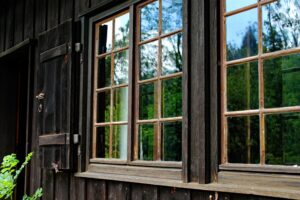
Not sure if it’s time to replace? Here are the most common signs we see during home consultations in Southeast Louisiana:
- Condensation between panes — the seal has failed; the insulated unit is compromised
- Drafts near frames — air leaks are driving up your energy bills
- Sticking or difficult operation — frames may be warping from moisture exposure
- Visible moisture damage or mold around the frame or sill
- Rising energy costs with no other explanation
- Single-pane glass — if your home still has single panes, replacement is overdue
If you’re seeing two or more of these, your windows are actively costing you money. Our window installation team can assess your home and walk you through your options – no pressure, no obligation.
When to Call a Professional
Window replacement in Louisiana isn’t a project to hand off to general handymen or to tackle without the right experience. Here’s when it’s especially important to bring in a certified window installer:
- Multiple windows being replaced at once — sequencing and sealing matter
- Older homes — pre-1978 construction may involve lead-based paint; EPA Lead-Safe guidelines require certified contractors
- Structural or rough opening issues — if frames show rot or structural damage, this isn’t just a window swap
- Coastal or flood-zone homes — impact-rated and moisture-resistant specifications need professional selection
A professional installer will assess your rough openings, confirm proper sizing, ensure a watertight installation, and verify performance ratings are appropriate for your specific home and location.
Conclusion
Choosing the best windows for Louisiana humidity means prioritizing moisture resistance, low solar heat gain, quality insulation, and professional installation. Vinyl and fiberglass frames, low-E glass, argon gas fills, and ENERGY STAR-rated double-pane units are the combination that performs in our climate – not just at installation, but for decades.
Getting this decision right protects your home, lowers your energy costs, and eliminates the ongoing headaches of moisture damage and poor indoor comfort. The good news is that with the right guidance, it’s a straightforward process.
Ready to find the right windows for your Louisiana home?
The team at Covington Windows and Doors serves homeowners across Covington, Abita Springs, Madisonville, and the greater St. Tammany Parish area. Call us at (985) 328-4410 to schedule a consultation – we’ll assess your current windows and walk you through your options before any work begins.
Frequently Asked Questions
What are the best windows for Louisiana humidity? The best windows for Louisiana’s humid climate combine vinyl or fiberglass frames (both moisture resistant) with double-pane, argon-filled glass and low-E coatings. These features together resist moisture damage, reduce solar heat gain, and lower energy costs in high-humidity environments like Southeast Louisiana.
What does SHGC mean, and why does it matter in Louisiana? SHGC stands for Solar Heat Gain Coefficient. It measures how much solar heat passes through your window glass. In hot climates like Louisiana, a lower SHGC (0.25 or below) means less heat enters your home, reducing the load on your air conditioner and lowering energy bills.
Are double-pane windows worth it in Louisiana? Yes, double-pane windows are the minimum recommended for Louisiana homes. The sealed space between panes (typically filled with argon gas) significantly reduces heat transfer compared to single-pane glass. Combined with low-E coatings, double-pane windows can meaningfully reduce cooling costs in high humidity areas.
What window frame material is most moisture resistant? Vinyl is the most moisture resistant window frame material and requires minimal maintenance. It won’t rot, swell, warp, or corrode – making it the top choice for humid climates. Fiberglass is also excellent for humid conditions. Wood frames, while attractive, absorb moisture and require significantly more maintenance in Louisiana’s climate.
How do I know if my windows need to be replaced? Common signs include condensation or fog between glass panes, drafts near window frames, difficulty opening or closing windows, visible moisture damage or mold around frames, and rising energy bills. If you notice two or more of these, a professional inspection is recommended.
Does installation quality really affect window performance? Absolutely. A window can only perform as rated when it’s installed correctly. Poor installation – gaps in sealing, improper shimming, or misaligned frames – can allow air and moisture intrusion regardless of the window’s specifications. Professional installation is especially important in Louisiana’s climate, where moisture intrusion can cause significant long-term damage.